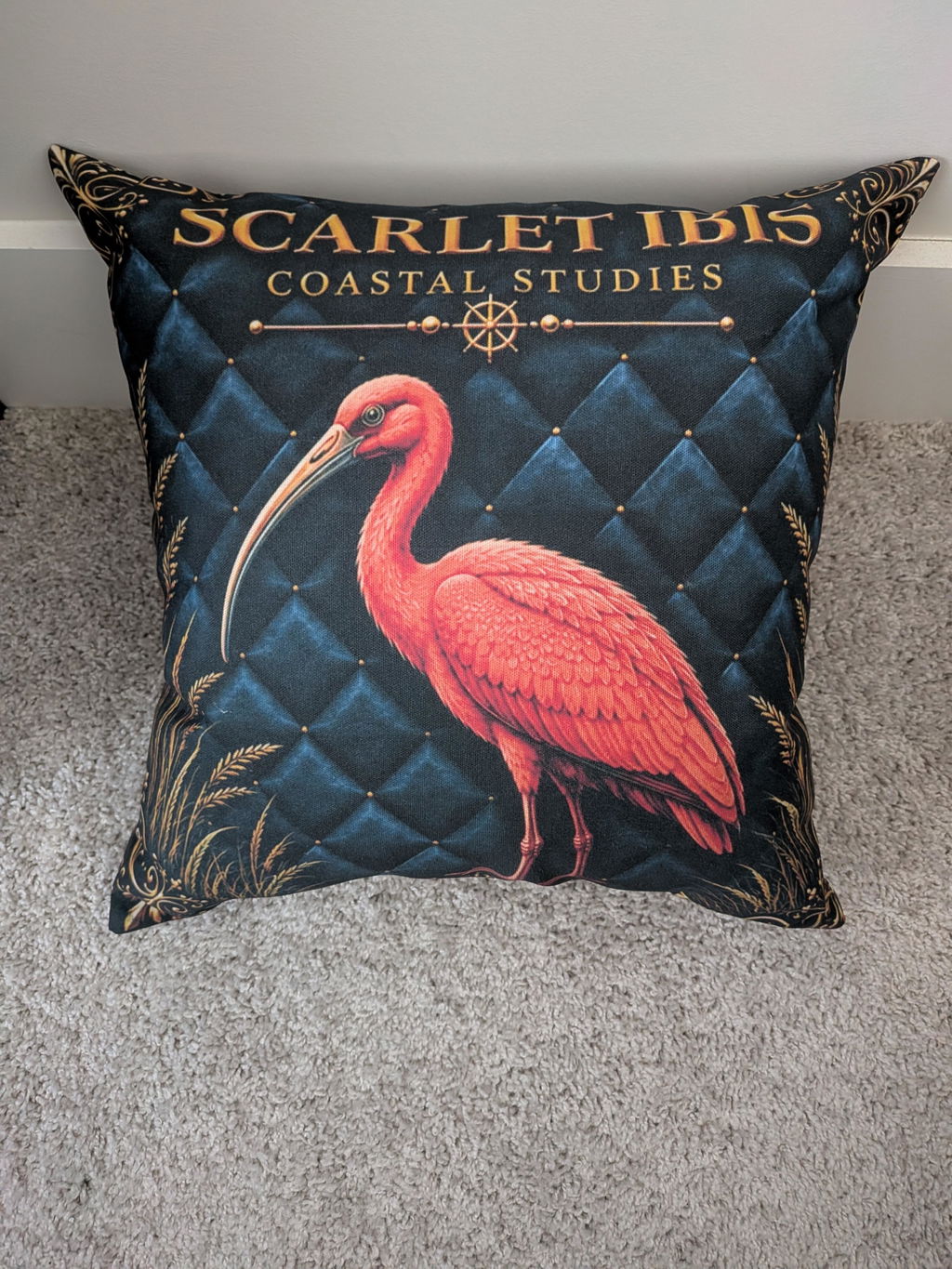
A room becomes memorable when it holds a little mystery — a moth tucked into the border of an old botanical study, a curious creature resting against a velvet-toned pillow, a piece of glass art that looks as though it might have come from a naturalist’s cabinet.
Whimsical fantasy decor does not require turning your home into a stage set. The most interesting rooms rarely announce themselves that loudly. Instead, they offer small clues: weathered color, natural history, antique ornament, curious objects and pieces that seem to have been gathered slowly rather than purchased all at once.
That is where the magic lives.
A home can feel enchanted without becoming childish, collected without becoming cluttered, and imaginative without losing its sense of age, warmth and permanence.
What Makes Fantasy Decor Feel Grown-Up?
The most convincing fantasy-inspired rooms usually begin with things that already carry a little wonder of their own: feathers, ferns, wildflowers, moonlit woods, old maps, sea creatures, unusual specimens and animals that have occupied both natural history and folklore for centuries.
These motifs work because they belong partly to the real world and partly to our imagination. A botanical study beside a stack of old books does not need to proclaim itself magical. Its finely drawn leaves, handwritten notes and softly aged paper already suggest another time and place.
Color helps tell the story too.
Moss green, inky navy, tobacco brown, deep berry, antique gold, faded rose and the warm ivory of old paper create far more atmosphere than bright novelty colors. And a room does not have to be dark to use them. In a sunlit space, one richly colored pillow, throw or piece of artwork can provide enough depth to make everything around it feel more intentional.
Texture matters just as much. Pair smooth tempered glass with woven textiles, aged wood, linen, ceramic vessels, brass-toned metal and objects with a little patina. Fantasy feels believable when the room looks as though it can be touched.
Perfectly matched new surfaces may look polished. Varied materials make a room feel as though it has lived a few interesting lives.
Begin With a Place, Not a Theme
One of the easiest ways to build an imaginative room is to decide where it might belong before choosing individual objects.
Perhaps it is the study of a woodland naturalist, a seaside cottage belonging to someone who never returned from a shore walk empty-handed, a botanical archive, or a candlelit apothecary hidden beyond an old garden wall.
Thinking in terms of a place rather than a theme changes everything.
A raven, a mushroom, a mermaid and an antique compass may all be beautiful, but without some kind of visual thread they can quickly begin to feel like unrelated symbols. Repeated colors, similar illustration styles and materials that share the same mood allow very different objects to feel as though they have always belonged together.
The Woodland Study
A woodland room can begin quietly with foliage, forest animals, mushrooms, beetles and imagery that carries the careful observation of an old field guide.
Layer a woven throw with a richly illustrated pillow. Add a journal to a side table, a stack of worn books and perhaps one framed natural history study. The goal is not to recreate a forest indoors. It is to suggest that someone curious has been studying one.
That distinction keeps the room feeling collected rather than costume-like.
The Coastal Cabinet
For a coastal room, think less beach house and more collector returning from a long walk along the shore.
Shells, octopus and fish studies, seaweed illustrations, faded navy, storm-cloud gray and warm sand tones feel more intriguing than familiar nautical motifs. A marine-inspired glass art board can become part of the room even when it is not being used for serving — displayed on an easel, layered against books or resting on a kitchen counter as functional art.
The sea has always provided its own curiosities. Let those be the starting point.
The Botanical Apothecary
The botanical apothecary is built from old labels, flowering stems, pressed-looking leaves, amber glass, elaborate borders and the rich visual history of plant illustration.
It is less about recreating an herbal shop and more about borrowing its atmosphere.
Pair one richly patterned botanical accent with simple wood furniture, aged metal or linen. Even a small room can begin to feel as though it belongs behind an old garden wall.
If this is a look you love, you may also enjoy our journal article on vintage apothecary kitchen decor.
Let Artwork Carry the First Layer of Magic
You do not need large statement furniture to change the feeling of a room. Artwork and smaller functional pieces are often better places to begin because they establish a visual language without asking you to redecorate everything around them.
A framed natural history study, an acrylic wall piece or a pair of decorative pillows can be enough to set the tone.
Look for artwork that rewards a second glance: labeled specimens, ornate borders, fine linework, layered leaves, watchful animals, fragments of maps or the suggestion of handwritten notes.
This is where old-world influence works especially well. Not as imitation antiquing for its own sake, but as an appreciation for observation, craftsmanship and detail.
Once you have one strong piece, allow a motif to reappear elsewhere. A fern might show up in the wall art, again on a pillow and perhaps once more on the cover of a journal.
The repetition should feel discovered rather than matched.
Build in Layers, Not Themes
There is a difference between decorating around a theme and building a world.
A theme can usually be understood in a single glance.
A layered room reveals itself slowly.
Perhaps it begins with a botanical print. Later comes an old wooden box, a striped throw, a peculiar little dish found while traveling, a brass tray or a journal waiting beside a favorite chair.
None of those pieces needs to match exactly. They only need to feel as though they belong to the same story.
Leave breathing room between them. If a mantel already has a strong piece of art above it, one or two objects may be enough below. If a sofa holds an intricately patterned pillow, surround it with quieter solids and textures.
Whimsy needs contrast. Without it, the unusual things stop feeling unusual.
Scale can help too. Place a small curiosity beside something with more visual weight — a stack of books, a broad woven throw, an old vessel or a framed piece of art. Tiny objects scattered everywhere tend to disappear. Grouped with purpose, they begin to feel important.
A shelf, tray, cabinet or windowsill can become its own small exhibition.
Let Everyday Objects Join the Story
Some of the most inviting rooms do not save their beautiful things for special occasions.
A hardcover journal with an enchanted botanical cover can live on a desk or bedside table, ready for notes, letters, sketches or observations from a walk.
A richly illustrated pillow can change the feeling of a reading chair, guest room or porch without committing the entire room to a new palette. You can see more ideas for styling them in our article on woodland animal decorative pillows.
In the kitchen or dining room, a glass serving board can remain part of the decor between uses. Lean it against a backsplash, display it on a small easel or bring it out with linen napkins, pottery and seasonal fruit when friends gather around the table.
The point is not to make ordinary life precious.
It is simply to notice it.
That is one reason the different Lace & Grit collections naturally work together. Botanical, Woodland, Coastal, Apothecary and Cabinet of Curiosities pieces can appear in different forms throughout a home without requiring every object to match. A repeated mood is often more interesting than a matching set.
Edit Before You Add More
Imaginative rooms have a natural tendency toward abundance. There is always another curious object, another old book, another velvet texture or strange little creature that seems as though it should come home with you.
Sometimes that instinct creates a marvelous room.
Sometimes it hides the things you loved most.
Every so often, step back and look for places where the eye can rest. Remove objects that repeat the same idea without adding another color, texture or story.
Keep the pieces that make you pause.
The strange little moth hidden in the edge of a print.
The pillow that changes the feeling of the entire chair.
The journal that seems far too beautiful to disappear into a drawer.
The object whose story you still remember every time you see it.
A collected home should feel generous, not crowded.
Leave Something Undiscovered
The rooms we remember most are rarely finished all at once.
They change as we do. A shelf gains something found on a trip. A pressed leaf slips into a favorite book. A small inherited object finds its way onto a table years after it first came home.
So leave a little space.
An empty corner of a shelf is not unfinished. It is simply waiting.
And sometimes that bit of room — the place reserved for something not yet discovered — is where the imagination has the most room to land.
Never Miss an Issue
Enjoy stories about curious objects, natural history and homes filled with character? Receive The Lace & Grit Magazine—a free, thoughtfully curated monthly digital lifestyle magazine celebrating beautiful homes inspired by nature, history & curiosity.