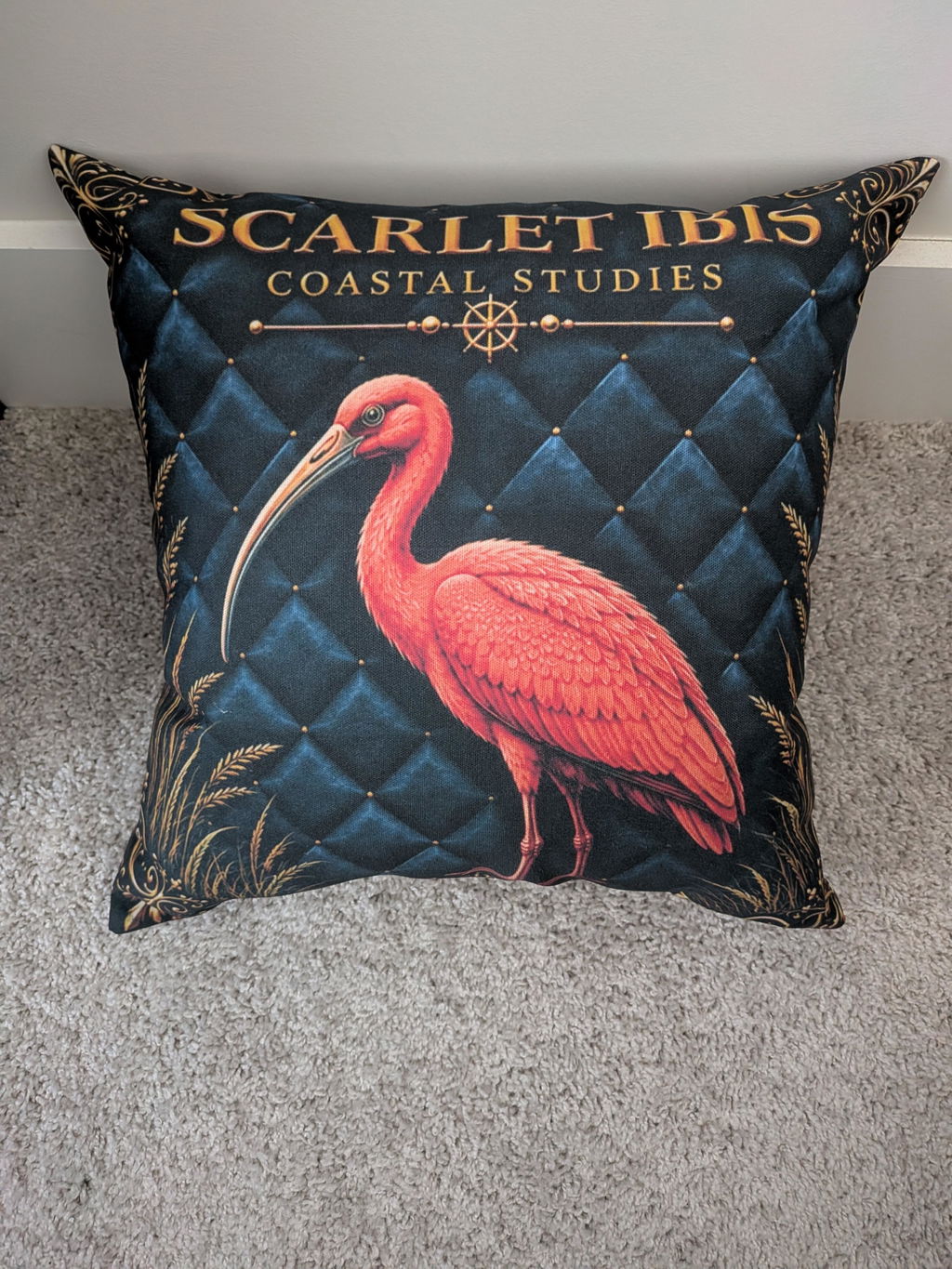
A fox curled at the end of a reading chair. A watchful owl perched among autumn branches. A gentle deer resting against crisp linen on a guest bed. Woodland animal decorative pillows have a rare gift for making a room feel collected, cared for, and quietly alive. They bring the familiar comfort of the forest indoors without asking you to turn your home into a themed cabin.
The secret is in the balance. A well-chosen woodland pillow can feel whimsical, vintage-inspired, romantic, or richly naturalistic depending on its artwork, color, and texture. It is a small decorative detail, but one with enough visual presence to set the mood for an entire corner.
Why Woodland Animal Decorative Pillows Feel So Personal
Nature imagery carries memory. It can call up a childhood walk in the woods, a favorite camping trip, a beloved storybook, or simply the calm that comes from seeing a creature rendered with care. Unlike a plain accent pillow, an animal motif gives the eye somewhere to linger. It adds a little narrative to the sofa, bed, or window seat.
That storytelling quality makes these pillows especially lovely in homes that favor personality over showroom perfection. A richly illustrated rabbit can soften a formal chair. A pair of owls can bring intimacy to a library wall of books and worn wood. A fox pillow can lend warmth to a neutral room that needs one unexpected spark.
They also work across ages and spaces. In a child’s room, woodland animals can feel imaginative without becoming overly sweet. In a living room, they can read as artful and collected. In a guest room, they offer an immediate sense of welcome, as though the space has been prepared with more than utility in mind.
Begin With the Mood, Not the Animal
It is tempting to choose the creature first. If you adore foxes, foxes may naturally lead the way. But for a room that feels cohesive, begin by deciding what kind of woodland story you want to tell.
For a moody natural-history look, seek deep moss, charcoal, chestnut, ink blue, and muted gold. Detailed animal illustrations, antique-style botanicals, and dark backgrounds create a more layered, library-like atmosphere. This approach pairs beautifully with walnut furniture, brass details, framed prints, and woven throws.
For a softer cottage woodland feeling, look toward faded sage, warm cream, dusty rose, pale blue, and gentle brown. Deer, rabbits, songbirds, and delicate florals feel right at home here. Linen textures, painted furniture, and heirloom-inspired quilts make the palette feel easy rather than overly precious.
If your taste leans eclectic, choose bolder artwork. A bright mushroom-and-fox design, a stylized raven, or a pillow with stained-glass-inspired color can become the jewel of a more maximalist room. The trade-off is that vibrant designs need a little breathing room. Let one statement pillow lead, then support it with quieter solids or subtle patterns.
Choose a Pillow Design That Works With Your Room
A decorative pillow should feel like part of the room’s visual conversation, not an object dropped into it at the last minute. Before choosing a design, notice the colors that already appear in the space: the undertones in the rug, the finish of the wood, the art on the walls, and even the books on an open shelf.
A pillow does not need to match every color exactly. In fact, an exact match can make a room feel flat. Instead, repeat one or two existing notes. A russet fox design might echo the warmth of a leather chair. A blue-gray owl pillow might quietly connect to a slate vase or painted cabinet. A cream rabbit design can brighten a dark sofa while still relating to natural linen curtains.
Scale matters just as much as color. On a large sofa, a single small animal pillow can disappear. Choose a larger square design or layer it with companions in complementary sizes. On a petite accent chair, one expressive pillow is often enough. A crowded chair loses its charm quickly, especially when the artwork deserves to be seen.
Let the Artwork Set the Level of Whimsy
Not every woodland animal design feels the same. Realistic illustration tends to feel timeless and mature, especially when combined with botanical elements or vintage-inspired detail. Watercolor animals feel gentle and relaxed. Graphic silhouettes create a cleaner, more modern look. Storybook art brings playfulness and is wonderful in nurseries, playrooms, and homes where imagination is part of the everyday décor.
There is no wrong direction, but mixing styles calls for intention. A highly realistic stag beside a cartoon mushroom pillow may compete unless the room already embraces a spirited, collected look. When in doubt, connect different designs through color, fabric feel, or a shared background tone.
How to Layer Woodland Pillows Without Overdoing It
Layering is where a simple woodland accent becomes a meaningful arrangement. Start with the largest pillow at the back, then add a second pillow in a related color or quieter pattern. Place the animal design toward the front so its artwork is visible and its personality is not buried.
On a bed, two woodland animal decorative pillows can sit in front of standard sleeping pillows, with a lumbar pillow or textured bolster creating a finished center. For a sofa, try one animal pillow at each end only if the designs relate. Otherwise, let one be the focal point and balance it with a plaid, velvet, botanical, or solid pillow on the other side.
Texture keeps an arrangement from feeling printed and flat. Pair smooth illustrated pillows with nubby woven fabrics, velvets, washed cotton, or a knit throw. A velvet pillow can add evening richness to a woodland palette, while woven cotton feels lighter and more casual. Consider how the room is used, too. A formal sitting room can handle more decorative detail than the family sofa where everyone naps with the dog.
The Best Places for a Woodland Touch
The living room is the obvious choice, but woodland pillows are often most memorable in the overlooked places. A single rabbit or bird pillow on a bench near the entry can make a first impression feel warm and considered. In a reading nook, an owl or fox design adds companionship to a quiet ritual of books, tea, and a favorite lamp.
Guest rooms benefit from this kind of detail because it feels hospitable without becoming personal clutter. Choose a design with a calm palette, add a folded throw, and the room immediately feels more like a retreat. In a nursery or child’s room, woodland animals can grow gracefully with the child when the artwork is artful rather than overly cartoonish.
Seasonal decorating offers another opening. Deep green, rust, and gold designs are lovely in autumn, while rabbits, birds, and pale florals can carry a room into spring. Still, the most enduring pieces are not limited to a season. A beautifully rendered forest creature belongs wherever you want a little more warmth.
Care That Keeps the Details Beautiful
Decorative pillows earn their place by being lived with, so choose materials and finishes that suit your household. If the pillow will live on a busy sofa, removable covers are practical for routine cleaning. If it is destined for a guest bed or display chair, you may be more open to delicate textures and intricate trims.
Follow the care instructions for the individual piece, and protect printed or richly colored artwork from prolonged direct sun when possible. Rotate pillows occasionally, especially on favorite seats, so one side does not take all the wear. A gentle fluff after use helps inserts keep their inviting shape.
At Lace & Grit, the most compelling décor often begins with one image that feels unexpectedly familiar. Let your woodland pillow be that small invitation: a fox beneath ferns, a hare in tall grass, a bird among branches. Place it where you will see it often, and let the room grow around the story it begins.