The Art of a Collected Home: Decorating with Layers, Character & Meaning
Share
There is something wonderfully inviting about a room that looks as though it has a few stories to tell. The most interesting rooms rarely come together in a single shopping trip. They evolve, one thoughtful addition at a time, blending old favorites with new discoveries and practical pieces with little treasures that simply make us smile.
Learning how to layer collected decor isn't about filling every available space. It's about bringing together things you love in a way that feels natural, comfortable, and unmistakably yours.
Start with a Feeling, Not a Theme
Before rearranging a shelf or searching for something new, think about the atmosphere you want to create.
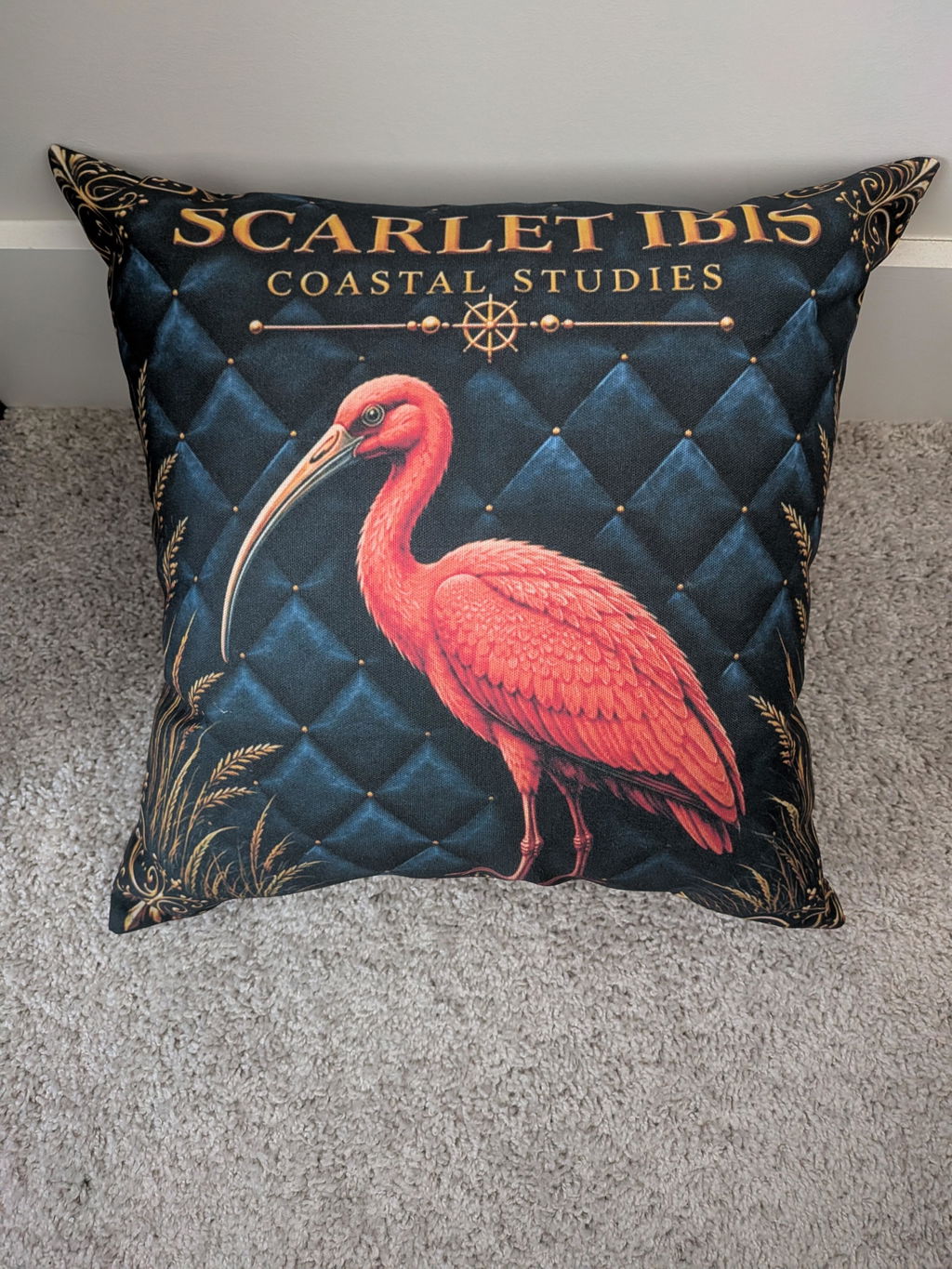
Do you love the warmth of an old woodland study, with weathered wood, deep greens, and illustrations of foxes, owls, and other woodland creatures? Perhaps you're drawn to a coastal library, where faded nautical maps, soft linen, and shades of blue create a sense of quiet escape.
Or maybe it's the charm of an old-fashioned apothecary kitchen, with amber glass bottles, botanical illustrations, antique brass, and well-loved wooden accents.
You don't need to follow a theme so closely that everything matches. In fact, some of the loveliest interiors mix influences that might seem unrelated at first glance.
A vintage coastal illustration can look beautiful beside a botanical study. A rustic wooden cabinet can feel perfectly at home beneath an elegant framed print. Often, it's the shared colors, textures, and sense of history that bring these pieces together.
The idea is to create a feeling rather than follow a formula.
Build Layers That Invite a Closer Look
One of the easiest ways to give a room that collected-over-time appearance is to arrange objects at different heights and depths.
Imagine a console table with an antique-looking mirror leaning against the wall. In front of it sits a small stack of books, topped with a brass bird figurine. Nearby, a ceramic vase holds a few branches gathered from the garden.
Nothing matches exactly, yet everything feels connected.
Start with one larger piece to anchor the arrangement. It might be a framed illustration, an old mirror, or a substantial vase. Add a few smaller objects in front, allowing them to overlap naturally.
Books are especially wonderful for this. A stack of old novels or illustrated field guides can elevate a small treasure while adding color, texture, and personality.
And don't worry about making every object perfectly visible. A frame partly tucked behind a vase or a small keepsake resting on a book can make an arrangement feel more relaxed and authentic.
The secret is to avoid making everything look too carefully arranged. A little imperfection is part of the charm.
Let Color and Texture Bring Everything Together
A collected home doesn't require matching furniture or coordinated accessories. What it does benefit from is a subtle connection between the things you choose.
Perhaps the warm brass of a lamp is echoed in a picture frame. The muted green of a botanical illustration might appear again in a pillow or ceramic bowl. A woven throw may pick up the earthy tones of an old wooden chest.
These small repetitions help a room feel cohesive without looking overly coordinated.
Texture adds another layer of interest.
Think of soft linen against aged wood, smooth glass beside weathered metal, or a richly woven blanket draped across a simple upholstered chair.
It's this contrast that makes a room feel comfortable and lived in.
A woodland-inspired pillow can soften a structured chair, while a botanical glass art board displayed on a kitchen counter introduces color and artistry among everyday essentials.
You don't need many pieces to make an impression. Sometimes one thoughtfully chosen accent is enough to bring an entire corner to life.
Mix Beautiful Things with Useful Ones
Some of the most charming details in a home are the ones we actually use.
A favorite hardcover journal resting beside a reading lamp adds warmth to a bedside table while keeping a place for thoughts, ideas, and little observations.
A decorative tempered glass board can stand on a kitchen counter as a piece of art, then become a serving surface when friends come to visit.
A woven throw draped across the arm of a chair offers color and texture, but it's also there when the evening turns cool.
These are the kinds of pieces that make a home feel welcoming rather than staged.
At Lace & Grit, this idea is especially close to our hearts. Our botanical, woodland, coastal, and other nature-inspired collections are designed to bring art into everyday living, whether through a journal, a decorative pillow, a woven throw, or a piece of functional glass art.
And while coordinating pieces can create a lovely sense of continuity, we believe they should always leave room for the personal treasures that make a home your own.
Give Your Favorite Pieces Room to Shine
There is a fine line between a beautifully collected space and one that simply feels crowded.
Not every shelf needs to be filled. Not every table needs an arrangement. Sometimes the most interesting object in a room becomes even more beautiful when there's a little breathing room around it.
A single framed wildlife illustration above a stack of books can be more striking than an entire shelf crowded with decorations.
The same is true of a treasured antique, a handmade bowl, or a small collection of natural curiosities.
Try grouping a few pieces together and leaving some open space nearby. Vary their heights, mix textures, and let one object take center stage.
If something doesn't seem quite right, remove a piece or two and look again. Often, simplifying an arrangement is all it takes.
And remember, not every object has to be precious or expensive. A smooth stone collected on a walk, a little bird figurine from a flea market, or a book passed down through the family can hold just as much charm as something purchased from a beautiful shop.
Sometimes more.
Make Room for the Unexpected
One of the pleasures of collected decorating is discovering combinations you might never have planned.
An antique brass key resting beside a botanical illustration. A delicate seashell displayed on an old wooden bookshelf. A beautifully patterned journal tucked beneath a small carved animal.
These unexpected pairings give a room personality.
They also invite curiosity.
Someone may ask where you found that unusual little object or why a particular illustration caught your eye. Suddenly, an ordinary corner of your home becomes the beginning of a conversation.
And isn't that part of what makes a home interesting?
The objects we surround ourselves with can reflect our travels, our interests, our memories, and sometimes simply our appreciation for something beautiful.
They don't all need to belong to the same collection, period, or decorating style. They just need to feel as though they belong to you.
A Home That Grows Along with You
Perhaps the nicest thing about a collected home is that it never has to be finished.
You can change a few pieces with the seasons, move a favorite illustration into another room, or discover that something you've owned for years looks entirely different in a new setting.
A woodland pillow might feel especially cozy in autumn, while lighter botanical accents bring freshness to the same chair in spring. A coastal piece that once lived in the living room might find a perfect new home beside a guest room window.
There's no need to redecorate everything or begin again.
Sometimes all it takes is moving a lamp, bringing out an old favorite, or giving a forgotten treasure a place where it can finally be appreciated.
The most memorable homes aren't necessarily the most perfectly decorated. They're the ones that feel personal, welcoming, and full of quiet character.
So collect slowly. Mix the old with the new. Keep the things that make you smile, and don't be afraid to let your home tell a story that's entirely your own.
After all, a home should feel less like a showroom and more like a life well lived.