Table of Contents
- The Quiet Character of a Curated Home
- The Benefits of Shopping Small for Home Decor
- Sustainability and Ethical Sourcing in Practice
- Quality Assurance for Online Buyers
- The Story Behind the Craft: Connecting with Your Space
- An Artisan Home Decor Return Policy Guide
- Conclusion: Building a Home That Reflects You
- Frequently Asked Questions
Last Updated: September 9, 2026
The Quiet Character of a Curated Home
A room furnished entirely from big-box catalogs often feels familiar in the wrong way. The same framed prints, the same vases, the same neutral throw pillows appear in thousands of living rooms, creating spaces that are tasteful yet strangely impersonal. Choosing small business home decor changes that equation, replacing mass-produced sameness with objects that carry history, intention, and a distinct point of view. This guide from Lace & Grit explores why small business home decor has become the preferred choice for those seeking warmth and authenticity, and how to shop for it with confidence.
The appeal goes beyond aesthetics. When you buy from an independent maker or a curated boutique, you are not just purchasing an object; you are investing in a different model of commerce. Small business home decor purchases support individual livelihoods and often result in higher-quality pieces that age gracefully. The choice is personal, and the rewards are lasting.
Below, we will walk through the tangible benefits of shopping this way, how to evaluate quality and ethics from a distance, and why the story behind a piece matters as much as its surface. We will also cover what a fair return policy looks like, so you can buy with genuine peace of mind.
The Benefits of Shopping Small for Home Decor
The most immediate benefit of buying small business home decor is the discovery of a unique aesthetic. Independent sellers and small curators do not chase global trends; they follow personal obsessions, regional traditions, and niche interests. This results in inventory you will not find replicated in every other home, allowing your space to develop a signature look rather than a template.
Shopping small also tends to mean better communication. Whether you are asking about materials, sizing, or styling advice, you are often dealing directly with the person who made the product or chose it for the collection. That access translates into a more thoughtful purchasing experience and a piece that genuinely fits your home.
A Direct Investment in Your Local Economy
When you purchase from a local small business, a larger share of your money stays within your community. This cycle, often described as the local multiplier effect, supports jobs and public services. Economists at the American Independent Business Alliance have long documented that independent retailers recirculate a greater proportion of their revenue locally compared to national chains. This is a quiet but powerful form of community investment.
Discovering a Unique Aesthetic Beyond the Mass Market
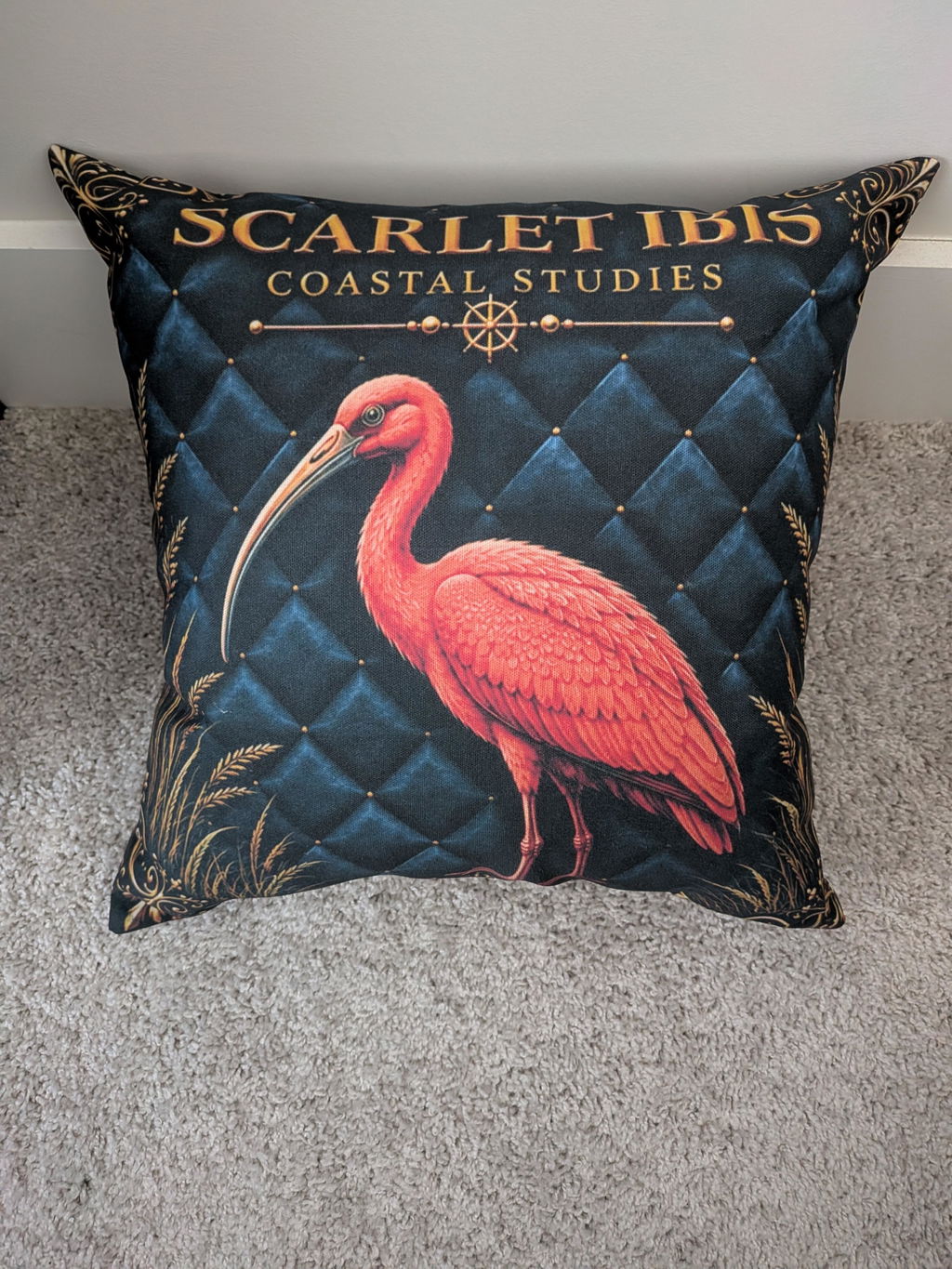
Mass-market decor is designed to appeal to everyone, which often means it speaks to no one in particular. Small business home decor, by contrast, is selected or created with a specific vision. Whether it is a woodland-themed pillow for a cabin retreat or a coastal flamingo accent for a beach house, these pieces allow you to build a home around your interests rather than around a catalog's notion of good taste. For those drawn to a particular landscape or mood, exploring a curated Coastal Home Décor Collection or a Woodland Home Décor Collection can be a helpful starting point for finding pieces that share a cohesive, nature-inspired point of view.


Sustainability and Ethical Sourcing in Practice
Discussions of sustainability in home decor often stall at vague adjectives like "eco-friendly" or "conscious." To make a genuinely informed choice, it helps to understand the specific mechanisms that differentiate a small business's environmental footprint from that of a mass-market operation. The gap is not always about materials; it is often about the structure of production itself.
The Oversupply Problem: Why Mass Production Wastes More
The most significant environmental difference is often not the fabric or the finish, but the sheer volume of what is produced. Large retailers operate on a forecast model, predicting demand months in advance. When forecasts miss, the result is overstock. A 2021 report from the United States Environmental Protection Agency estimated that textiles alone, a category that includes throws, pillows, and upholstery, accounted for roughly 5.8 million tons of municipal solid waste generated in the United States in 2018, with a mere 14.7 percent of that being recycled. Much of the rest ends up in landfills.
A small business, by contrast, often operates on a made-to-order or limited-batch model. This is not merely a marketing tactic; it is a structural advantage. When a maker produces a run of fifty pillows rather than five thousand, the risk of unsold inventory, and the subsequent waste of sending it to a landfill, drops dramatically. This is the quiet, unglamorous side of sustainability: waste avoidance is often more impactful than material choice.
Shorter Supply Chains, Greater Accountability
A second structural difference lies in the supply chain. A mass-market product might travel through a dozen hands: fiber producer, spinner, dyer, weaver, cutter, sewer, finisher, importer, distributor, and retailer. Each step adds distance, complexity, and a layer of opacity. When a problem arises, say, a chemical finish that off-gasses or a dye that runs, tracing it back to the source is a logistical nightmare.
Smaller operations typically compress that chain. A studio that sources fabric from a regional mill and sews in-house has a direct line of sight to its inputs. This does not guarantee a product is sustainable, but it does mean the owner is more likely to know the answer when you ask. The ability to ask a direct question and receive a specific, informed answer is a form of accountability that is structurally difficult for a global conglomerate to match.
The Durability Calculation
The final piece of the puzzle is lifespan. The EPA's data on durable goods underscores a simple truth: the most sustainable object is the one you already own. A well-constructed piece that lasts fifteen years has a fraction of the environmental impact of a cheaper alternative that is replaced every three. When you buy from a small business, you are often paying for a higher grade of material and construction that is designed to be repaired and kept, not discarded.
This is not to say that every small business is a paragon of environmental virtue. It is entirely possible for a small studio to use virgin plastics or ship in excessive packaging. The point is that the model enables better choices, and it is on the buyer to ask the right questions. When you do, you are not just buying a pillow or a vase; you are casting a vote for a production model that treats waste as a design flaw rather than an inevitability.
Quality Assurance for Online Buyers
Buying from a small business online requires a shift in how you evaluate quality. Without a physical showroom, you must rely on detailed descriptions, clear photography, and transparent policies. A reputable seller provides accurate dimensions, material compositions, and care instructions. Vague listings or stock photos with no context are a signal to proceed with caution.
Reading customer reviews is essential. Look for comments about the actual feel of materials, color accuracy, and shipping times. A seller with a consistent record of satisfied customers is demonstrating reliability. Secure payment processing is another non-negotiable. Trustworthy sites invest in encryption to protect your financial data, so you can shop without worry.
The Story Behind the Craft: Connecting with Your Space
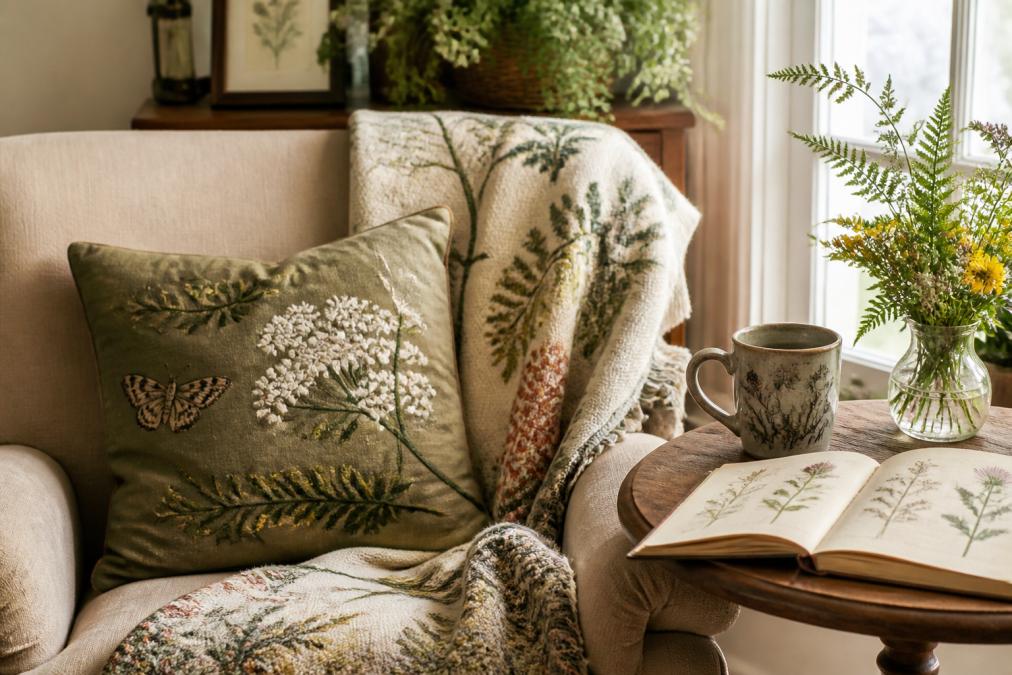
A home becomes meaningful when its objects have narratives. A cherry blossom woven throw is more than just a warm layer; it evokes Victorian conservatories and the romance of historic gardens. A calendula journal connects daily writing to centuries of herbalist tradition. This narrative layer is the essence of the artisan home decor return policy guide philosophy: understanding that you are acquiring a piece of a larger tradition, not just a commodity.
This connection changes how you care for your belongings. When you know the inspiration behind a cabinet of curiosities pillow or the craftsmanship involved in a glass art piece, you are more likely to treat it as an heirloom. The space you create becomes a reflection of your values and your curiosity. For those who love to document their discoveries and inspirations, an Artisan Nature, History & Curiosity Journal can be a fitting companion to the objects on your shelves.

An Artisan Home Decor Return Policy Guide
A common hesitation about buying from small businesses is the fear of being stuck with an item that does not work. This is where a clear return policy becomes your safety net. A fair policy should give you a reasonable window to decide if a piece suits your space, typically allowing for returns of unused items in their original condition.
Before ordering, review the policy for specifics on who covers return shipping and whether restocking fees apply. While some made-to-order items may be final sale due to their custom nature, a reputable seller will stand behind standard inventory. Knowing these details upfront makes the decision to invest in small business home decor far less risky. When a piece arrives and does not match the energy you envisioned, a straightforward return process ensures the experience remains positive.
Conclusion: Building a Home That Reflects You
The decision to fill your home with pieces from small businesses is a decision to value character over conformity. It supports local economies, encourages more thoughtful production, and results in a space that tells your unique story. Every curated choice, from a botanical pillow to a woven throw, adds a layer of warmth and intention that mass-produced decor simply cannot replicate.
At Lace & Grit, the focus is on nature-inspired collections that invite you to create a home with soul. Whether you are drawn to the Botanical Collection for its vintage garden charm or the Cabinet of Curiosities for its old-world intrigue, each piece is chosen to bring beauty and character into your daily life. Explore the collections and find the accents that speak to you.
Frequently Asked Questions
Why is buying home decor from small businesses better for the environment?
Choosing small business home decor often has a lighter environmental footprint. Smaller shops typically operate with shorter supply chains, meaning products travel fewer miles to reach you. They also tend to produce in smaller batches, which reduces the risk of unsold inventory ending up in landfills. When you invest in a well-made, timeless piece from a small business, you are more likely to keep it for years, a more sustainable choice than frequently replacing mass-produced items.
How can I verify the quality of artisan decor before purchasing online?
Since you cannot see the item in person, start by reading the product description carefully for specific materials and construction details. Look for a return policy guide that allows you to return the item if it does not meet your expectations. Customer reviews and photos are also valuable; they offer insight into the actual quality and appearance of the piece. A reputable small business will be transparent about its products and happy to answer questions.
What is the 3-5-7 rule in decorating?
The 3-5-7 rule is a simple styling guideline for creating visually balanced vignettes. It suggests grouping decorative objects in odd numbers, such as three, five, or seven items. This approach is thought to be more visually interesting and natural than using even numbers, which can feel static and overly formal. The rule is a starting point, not a strict law, for arranging items like books, botanicals, and curiosities on a shelf, mantel, or coffee table.
How does supporting small home decor businesses impact interior design trends?
Small businesses are often the origin of new trends. They have the freedom to explore niche styles like botanical art, dark academia, or cabinet of curiosities aesthetics that larger retailers may ignore. When you support these shops, you help ensure that the market for home decor remains diverse and innovative. This encourages a broader definition of beautiful design, moving beyond generic trends to include unique, personal styles that reflect individual taste rather than mass-market appeal.