Table of Contents
- What You'll Need Before You Start Styling Botanical Home Decor
- Incorporating Live Houseplants as Anchor Pieces
- Botanical Wall Art Ideas That Work in Any Room
- How to Arrange Botanical Prints Without Cluttering a Wall
- Modern Botanical Interior Design: Blending Nature with Clean Lines
- Using Floral and Leaf Patterns in Textiles and Soft Furnishings
- Budget-Conscious and Sustainable Botanical Styling Tips
- Conclusion
Last Updated: August 16, 2026
Botanical home decor brings nature indoors through plants, prints, textiles, and organic materials to create spaces that feel grounded and intentional. At Lace & Grit, we offer a thoughtfully curated selection of nature-inspired collections. This guide addresses that tension directly with practical steps for every room, budget, and skill level.
The biggest mistake people make is treating botanical decor as a category rather than a design language. You don't need to fill every surface with ferns, you need to understand how organic elements, leaf patterns, and natural textures work together to create a cohesive, curated aesthetic.
What You'll Need Before You Start Styling Botanical Home Decor
Effective botanical styling starts with an honest assessment of your existing space.
Start with these four assessments:
- Light levels: Natural light determines which live plants will survive and where focal points should sit. North-facing rooms need different solutions than south-facing ones.
- Existing color palette: Botanical styling works in any color scheme. Cool-toned rooms call for muted watercolor botanicals and silver-green foliage; warm-toned rooms absorb jewel-toned tropical patterns and terracotta pots beautifully.
- Dominant style: Is your space modern minimalist, industrial, eclectic, or transitional? Each has a different botanical entry point.
- Scale: A single large statement piece often outperforms five small ones. Know your wall dimensions before ordering art.
|
Assessment |
What to Look For |
Botanical Direction |
|---|---|---|
Light level |
Bright, medium, or low |
Live plants vs. faux vs. art only |
Color palette |
Warm, cool, or neutral |
Tropical color vs. muted illustration style |
Room style |
Modern, eclectic, industrial |
Clean-lined prints vs. layered organic mix |
Wall space |
Large open wall vs. small nook |
Gallery arrangement vs. single statement piece |
Once you've completed this audit, you'll spend less and style more confidently.
Incorporating Live Houseplants as Anchor Pieces
Live plants are the foundation of botanical interior design. Nothing else delivers the same combination of texture, movement, and organic presence.
Treat plants as furniture, not accessories. A large fiddle-leaf fig in a corner anchors the room and defines a zone. Smaller plants work as accents, but one or two statement plants should come first.
Choosing Plants for Low-Light and Small Spaces
Low-light and small spaces are where most guides fall short. The best low-light plants include pothos, ZZ plants, snake plants, and cast iron plants, all tolerate indirect light and irregular watering. For small spaces, wall-mounted planters and hanging pots free up floor area while maintaining the indoor-outdoor flow that defines biophilic design.
According to NASA's Clean Air Study research overview , many common houseplants actively filter indoor air pollutants, adding functional value beyond aesthetics.
Maintenance and Longevity of Botanical Decor
A dead or struggling plant undermines a botanical aesthetic, so build your collection around plants you'll actually care for. Group plants with similar watering needs together to simplify routines. For minimal-intervention botanical decor, lean on succulents, air plants, and ZZ plants. For higher-commitment gardeners, monsteras, ferns, and calatheas reward attention with dramatic visual payoff.
Rotate plants every few weeks so all sides receive light evenly.
Botanical Wall Art Ideas That Work in Any Room
Botanical wall art is the most flexible element in nature-inspired interiors because it works regardless of light levels, rental restrictions, or budget.
The most effective approach: commit to a consistent framing style. Mixing ornate gold frames with raw wood frames with black metal frames creates visual noise. Pick one frame material and vary print sizes instead.
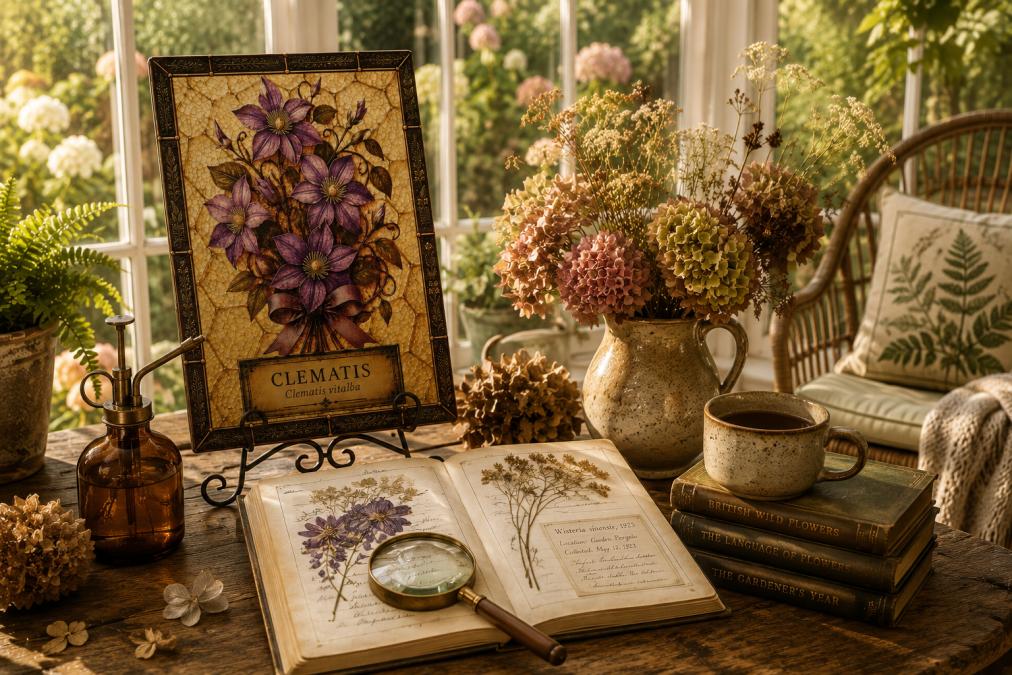
For rooms where live plants aren't practical, a well-chosen botanical print collection carries the entire nature-inspired weight of the space. The Smithsonian Institution's botanical illustration archive is a remarkable reference for understanding the range of styles available, from precise scientific illustration to loose watercolor interpretation.
Watercolor Prints vs. Botanical Illustration Style
Watercolor botanical prints have soft edges and organic looseness that reads as relaxed and contemporary. They suit modern interiors, bedrooms, and spaces where calm is the goal.
Formal botanical illustration style (precise, labeled drawings from 18th and 19th century naturalist archives) reads as structured and intellectual. These work brilliantly in home offices, libraries, and spaces with dark wood furniture or leather accents.
The right choice depends entirely on the room's existing mood.
How to Arrange Botanical Prints Without Cluttering a Wall
Start with the largest piece at eye level, typically 57 to 60 inches from the floor to the center of the artwork. This standard gallery height works in residential spaces because it creates natural viewing height regardless of ceiling height.
Build outward from that anchor piece, maintaining consistent spacing of 2 to 3 inches between frames. Consistent gaps read as deliberate; inconsistent gaps read as rushed.
For a gallery wall, lay the arrangement on the floor first and photograph it from above. That overhead view reveals balance issues invisible when standing in front of the wall. Adjust before hanging.
One large botanical print almost always outperforms three small ones in the same space. Large-format art creates a genuine focal point.
Modern Botanical Interior Design: Blending Nature with Clean Lines
Modern botanical interior design is not a contradiction. The assumption that nature-inspired decor conflicts with minimalism is a persistent misconception.
The core principle is restraint. In modern or minimalist interiors, botanical elements work best when edited to their most graphic, structural forms: a single large monstera leaf in a simple ceramic vessel, one large-format botanical print on an otherwise bare wall, or a woven throw with subtle leaf motif .
Mixing Botanical Styles with Industrial or Minimalist Decor
Industrial spaces with exposed brick, concrete, and metal benefit enormously from botanical softening. The contrast between hard materials and organic leaf patterns creates visual sophistication.
For industrial-botanical mixing, choose botanical prints with dark backgrounds: deep forest greens, midnight blues, or charcoal grounds. For minimalist spaces, apply one botanical statement per visual zone. Don't layer a print, plant, and patterned textile in the same sightline. Choose one and let it breathe.
Using Floral and Leaf Patterns in Textiles and Soft Furnishings
Textiles are the most underused tool in botanical home decor. Floral motifs and leaf patterns in curtains, bedding, and upholstery create the layered, enveloping quality that makes botanical spaces genuinely immersive.
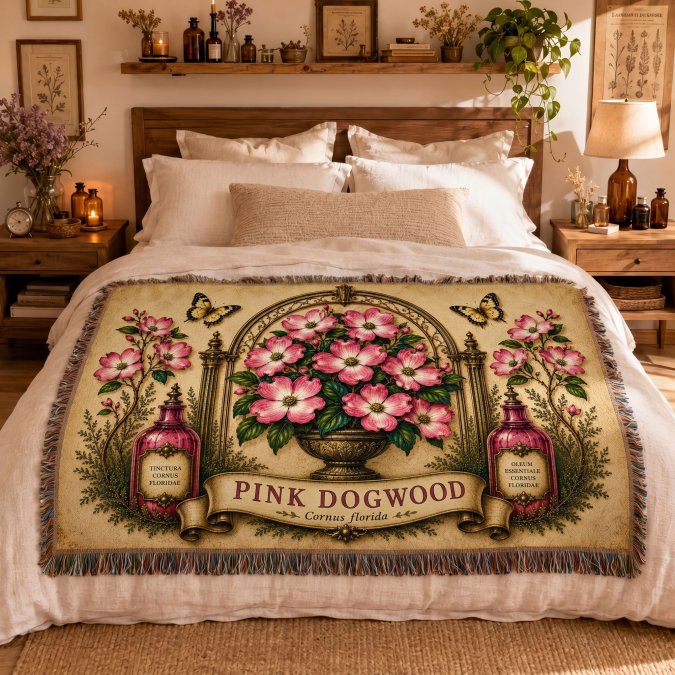
Mix pattern scales: a large tropical-leaf duvet cover pairs beautifully with a smaller floral motif pillow and solid-colored woven throw. What creates chaos is mixing patterns of the same scale at the same intensity.
Practical starting points:
- Curtains: Leaf-pattern curtains in neutral ground add botanical presence without dominating
- Bedding: A single botanical-print duvet transforms a bedroom with minimal effort
- Throw pillows: Mix two or three botanical-print pillows with solid ones
- Woven throws: Leaf and vine motifs add natural texture alongside visual pattern
Budget-Conscious and Sustainable Botanical Styling Tips
Botanical home decor does not require a large budget. The nature-inspired aesthetic is one of the most accessible in home design.
The most budget-friendly move is propagation. A single pothos or tradescantia plant produces dozens of cuttings over time, filling multiple rooms for the cost of one starter plant. Many plant communities organize free cutting swaps.
For wall art, printable botanical illustrations in the public domain offer exceptional quality at minimal cost. The Biodiversity Heritage Library's free botanical illustration collection contains thousands of high-resolution historical botanical prints available for download and framing.
DIY and Upcycled Botanical Projects
DIY projects add personal character that purchased decor cannot replicate:
- Pressed botanical art: Press leaves or ferns between heavy books for two weeks, then frame them.
- Botanical candle vessels: Fill glass jars with sand and a candle, decorated with pressed leaves adhered via decoupage.
- Upcycled frame gallery: Paint thrifted frames in a single color, then fill with printed botanical illustrations.
- Leaf-print textiles: Use fabric paint and real leaves to create striking patterns on pillow covers or tote bags.
Sustainable Botanical Sourcing
Buy live plants from local nurseries rather than chain retailers to reduce transport distance and support growers with more interesting varieties. Avoid purchasing plants on the CITES Appendix I protected species list .
For botanical textiles and art, look for items made with natural dyes, recycled materials, or certified sustainable production. The Lace & Grit collection focuses on timeless craftsmanship over mass production, ensuring pieces last rather than cycle through trend-driven replacement.
Practical sustainability checklist:
- Buy live plants from local or regional nurseries
- Choose botanical prints on recycled or FSC-certified paper
- Select frames made from reclaimed or sustainably sourced wood
- Prioritize textiles with natural fiber content
- Propagate plants rather than always buying new
- Choose artisan-made pieces built for longevity
Pulling together a botanical home decor scheme is achievable at any budget and in any space. The difference between curated and chaotic comes down to intention. The Lace & Grit collection is built around that principle: nature-inspired pieces with genuine craft, from botanical-print decorative pillows and woven throws to glass art and artisan journals. Explore the collection and add pieces that speak to your aesthetic. Every order ships fast with secure, protected checkout.
Frequently Asked Questions
Are botanical prints still in style in 2026?
Botanical prints remain a strong interior design choice. The shift has moved away from overly ornate Victorian arrangements toward cleaner, more curated displays — single large-format prints, watercolor leaf studies, and minimal jungle-themed compositions all read as current. Pairing botanical prints with modern furniture and a restrained color palette keeps them feeling fresh rather than dated. The key is editing: one or two well-chosen pieces carry more visual weight than a wall crowded with competing motifs.
What are the best botanical decor ideas for small spaces and apartments?
Small spaces benefit most from vertical botanical styling. Mount wall art at eye level to draw the eye upward, use trailing plants on high shelves to add greenery without occupying floor space, and choose textiles with subtle leaf patterns rather than large tropical prints, which can overwhelm a compact room. A single statement botanical print above a sofa or bed acts as a focal point without visual clutter. Mirrors placed near plants also amplify the nature-inspired effect in tighter rooms.
How do you incorporate botanical elements into modern minimalist interior design?
The pairing works well when you treat botanical elements as accents rather than themes. In a minimalist space, choose one or two botanical pieces with clean lines — a single framed botanical illustration, a textured woven throw with an organic pattern, or one sculptural houseplant in a simple ceramic pot. Stick to a restrained color palette drawn from nature: warm greens, soft terracottas, and off-whites. Avoid mixing too many floral motifs, which competes with the simplicity that defines modern botanical interior design.
What is the difference between botanical illustration and general floral decor?
Botanical illustration is a specific art form rooted in scientific documentation — detailed, accurate depictions of plant anatomy with precise linework and often a white or neutral background. Floral decor is broader and more decorative, including loose watercolor designs, stylized patterns on textiles, and abstract interpretations of flowers and leaves. Botanical illustration tends to feel more sophisticated and timeless, while general floral decor spans everything from cottage-style prints to bold tropical patterns. Both have a place in a nature-inspired home, depending on the mood you want to create.