There is a particular kind of wonder in an object that makes you stop and look twice.
A butterfly beneath glass. A shell with an impossible geometry. An old brass instrument whose original purpose is not immediately obvious. A small animal skull, a mineral specimen, a handwritten label or a curious object found in an antique shop with no story attached — only the suggestion that there once was one.
That sense of discovery is at the heart of the Cabinet of Curiosities.
But collecting unusual things also asks something of us. Before an object becomes part of our home, it is worth asking where it came from, whether it was obtained responsibly, and whether its history is one we are comfortable becoming part of.
Thoughtful collecting does not make a cabinet less mysterious. Quite the opposite. Knowing something about an object's origin gives it a deeper story — and often makes it far more interesting.
What Thoughtful Collecting Really Means
Responsible collecting begins with a wonderfully simple question:
Where did this come from?
For ordinary vintage objects, the answer may simply be an estate sale, an old family collection or a flea-market table. For natural-history specimens, taxidermy, fossils, archaeological material or culturally significant objects, however, that question deserves a little more attention.
The goal is not to remove the romance from collecting. It is to make sure curiosity does not come at the expense of wildlife, ecosystems, cultural heritage or someone else's history.
Whenever possible, look for sellers who are comfortable explaining an object's origin and who do not become evasive when you ask questions. A responsible dealer should understand why provenance matters.

The Wunderkammer — and What We Know Now
The earliest European cabinets of curiosities, often called wunderkammern or Kunstkammern, were private collections filled with objects that seemed remarkable, beautiful, scientific, foreign or difficult to explain.
Shells sat beside scientific instruments. Fossils shared shelves with paintings, preserved animals, carved objects, books, minerals and things brought home from distant places.
They were places of wonder — but their history was not always innocent.
Some historic collections grew through colonial expansion, unregulated wildlife collecting and the removal of cultural objects from communities that never intended them to become decorative possessions.
We cannot rewrite that history. We can, however, collect differently now.
A modern Cabinet of Curiosities can retain everything wonderful about the original idea — observation, discovery, natural history, craftsmanship and the delight of the unusual — without treating every fascinating object as something that automatically belongs on our shelf.
That distinction makes today's collector less of an accumulator and more of a curator.
If you love the history and styling of these rooms, you can explore more inspiration in our Cabinet of Curiosities Collection.
Provenance: The Story Before the Object Reached You
Provenance simply means the history of an object's origin and ownership.
With an antique chair, provenance may be charming but unnecessary. With a protected wildlife specimen, archaeological object or culturally important artifact, it can be essential.
Documentation may take many forms: an old collection label, auction record, purchase receipt, estate inventory, museum deaccession record, permit or correspondence from a previous owner.
Not every humble antique will arrive with a folder of paperwork. The level of documentation you should expect depends greatly on the object.
Questions Worth Asking
If you are considering an unusual specimen or artifact, ask:
- Where did the object come from?
- How did the seller acquire it?
- Is its age known or reasonably documented?
- Are there any collection labels, receipts, permits or previous records?
- If it is an animal specimen, is the species legally possessed and traded?
- If it is culturally significant, is there any reason to question whether it should be in private commerce at all?
A seller does not need to know every chapter of a century-old object's life. But someone selling a regulated or unusual specimen should be able to answer reasonable questions without becoming defensive.
When Something Doesn't Feel Quite Right
Sometimes the most useful information is what a seller cannot — or will not — tell you.
Pause when you encounter:
- Vague or changing origin stories. An object whose history changes every time you ask deserves more scrutiny.
- No documentation for something that normally requires it.
- A newly acquired "rare" or protected specimen with no clear explanation of its legal history.
- Pressure to buy quickly before you can research the piece.
- A price dramatically below what comparable documented objects usually command.
- A seller who discourages questions about species, origin or permits.
Natural History Specimens: Curiosity With Context
Natural-history collecting is one of the oldest threads running through the Cabinet of Curiosities tradition.
Preserved insects, shells, bones, fossils, shed antlers and other specimens can be fascinating records of the natural world. They can also fall under a patchwork of wildlife laws depending on the species, where it originated and how it entered commerce.
This is why the phrase naturally deceased should never be the end of the conversation.
An animal may have died naturally and still belong to a species whose feathers, bones or other parts are protected from private possession or trade. Likewise, something described as captive-bred may still be subject to documentation, transport or commercial restrictions.
The best approach is simple: know what species you are buying, ask where it came from, and check the rules that apply before bringing it home.
For insects and other specimens sold through established breeders or specimen dealers, look for sellers who clearly explain their sourcing rather than relying on vague phrases such as “ethically sourced” with no additional information.
A Few Legal Considerations Worth Knowing
Natural-history laws can be surprisingly specific, and they vary by species, location and the circumstances under which an object was collected or traded.
In the United States, several federal laws can affect curiosity collecting.
Protected Wildlife
The Endangered Species Act regulates activities involving listed species, including certain forms of take, sale, transport and commerce. The legality of possessing a specimen can depend on how and when it was acquired, so the fact that something is old or already dead does not automatically answer the legal question.
The U.S. Fish & Wildlife Service maintains current information about protected species and permits, and it is a much better place to check than relying on a seller's description alone.
Migratory Birds
Bird feathers are especially easy to misunderstand.
The Migratory Bird Treaty Act protects many native migratory bird species and regulates activities involving their feathers, nests, eggs and other parts. Finding a beautiful feather on the ground does not necessarily mean it is legal to keep.
If you cannot confidently identify the species and know that possession is permitted, a photograph may be the better souvenir.
International Trade
CITES — the Convention on International Trade in Endangered Species of Wild Fauna and Flora — regulates international trade in many protected plants and animals. Antique and vintage specimens can still raise questions when they cross borders or enter commercial trade.
Found, Salvaged and Gathered Objects
Some of the most meaningful curiosities cost nothing at all.
A shell picked up on a permitted beach, a naturally shed antler where collection is allowed, an abandoned wasp nest, a stone from your own property, a pressed leaf from the garden or a seedpod discovered on a walk can hold more personal history than something purchased from across the world.
But even foraging has boundaries.
National parks, protected areas, archaeological sites and wildlife refuges often prohibit removing natural or historic material. State and local rules can vary as well.
Sometimes the most respectful way to collect a beautiful object is simply to photograph it and leave it exactly where you found it.
Curiosity does not always require possession.
When an Object Belongs to More Than a Collection
There is an important difference between an old decorative object and an object that carries living cultural, ceremonial or ancestral meaning.
Indigenous cultural material, funerary objects, sacred objects and human remains deserve particular care and scrutiny. In the United States, laws including the Native American Graves Protection and Repatriation Act (NAGPRA) address certain Native American human remains, funerary objects, sacred objects and objects of cultural patrimony, particularly in relation to federal agencies, federally funded institutions and material removed from federal or Tribal lands.
For a private collector, the practical lesson is broader than any single law:
Not everything that can be bought should be treated simply as decor.
If an object appears ceremonial, funerary, sacred or culturally significant, learn about it before purchasing it. Ask who made it, how it left its community and whether private sale is appropriate.
Respect is part of provenance too.
Caring for What You Collect
Responsibility does not end once an object comes home.
Preservation is one of the quieter pleasures of collecting. There is something satisfying about knowing that an object has survived decades — perhaps centuries — and that your job is simply to help it continue.
Keep Light in Mind
Direct sunlight fades paper, textiles, feathers, insects and many natural pigments. Display sensitive pieces away from strong windows or rotate them periodically.
Watch Humidity
Organic materials such as wood, paper, bone, feathers and preserved specimens generally fare better in a stable interior environment than in damp basements, garages or hot attics.
Protect From Dust and Handling
Glass cloches and cabinets are not only beautiful — they are practical. They reduce handling and help protect delicate pieces from dust.
That small butterfly, shell or skull beneath glass suddenly becomes both a display and a protected specimen.
Keep the Story With the Object
If an item arrives with a label, receipt, species identification, handwritten note or provenance record, keep it.
Future you — or whoever eventually inherits the collection — will be grateful.
Building a Cabinet That Feels Like Yours
The best Cabinet of Curiosities is not the one with the rarest objects.
It is the one that makes sense only when you know the person who assembled it.
Perhaps yours begins with natural history: shells, minerals, fossils and botanical studies.
Perhaps it leans toward exploration: maps, navigation instruments, old books and objects associated with travel.
Maybe it is mostly inherited things — a grandfather's pocket watch, a grandmother's photograph, a small wooden box whose original purpose nobody remembers.
Or perhaps it is simply a collection of things that made you stop.
There is no requirement that a curiosity be rare or expensive. A meaningful cabinet can hold museum-quality specimens beside flea-market finds, family objects, replicas, books, artwork and things gathered from your own life.
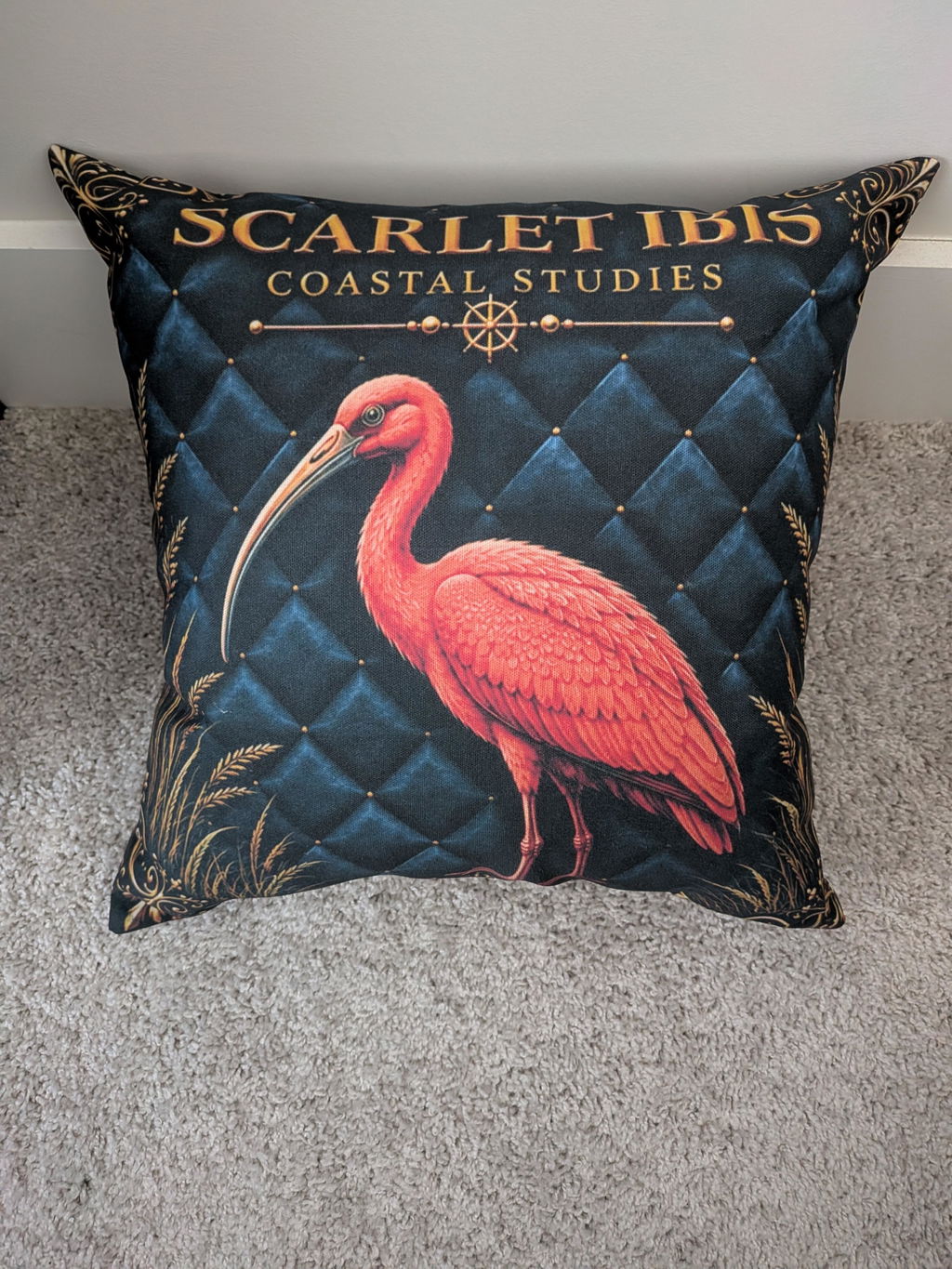
In fact, reproductions and art inspired by natural history can be a wonderful way to build the atmosphere of a curiosity room without needing to own sensitive or regulated material at all.
That is very much the spirit behind our own Cabinet of Curiosities Collection: the fascination of natural history, exploration and strange beautiful objects translated into pieces meant for everyday homes.
Collect slowly.
Ask questions.
Leave a little room between things.
And remember that sometimes the story behind an object is what makes it curious in the first place.
Never Miss an Issue
Enjoy stories about curious objects, natural history and homes filled with character? Receive The Lace & Grit Magazine—a free, thoughtfully curated monthly digital lifestyle magazine celebrating beautiful homes inspired by nature, history & curiosity.
Frequently Asked Questions
What does ethical sourcing mean for a Cabinet of Curiosities?
It means making a reasonable effort to understand where an unusual specimen or artifact came from and whether it entered the market legally and responsibly. The amount of documentation needed depends on the object, but wildlife specimens, archaeological material and culturally significant objects deserve more scrutiny than ordinary decorative antiques.
How can I check the provenance of something before buying it?
Begin with the seller. Ask where and when the object was acquired, whether any labels, receipts, permits or previous collection records exist, and what is known about earlier ownership. The more unusual or regulated the object, the more important documentation becomes.
Can I keep animal bones or feathers that I find outdoors?
Not necessarily. Wildlife laws vary by species and location. Many native migratory birds are federally protected in the United States, and possession of their feathers or other parts may require authorization even when the bird died naturally. Other wildlife may be governed by federal, state or local rules. Identify the species and check the applicable regulations before keeping a specimen.
Do curiosities have to be real specimens?
Not at all. Artwork, replicas, vintage scientific illustrations, old instruments, shells, books, inherited objects and pieces inspired by natural history can create a wonderfully convincing Cabinet of Curiosities. The atmosphere comes from discovery and storytelling, not from owning rare specimens.
How do I keep a Cabinet of Curiosities from becoming cluttered?
Collect slowly and give important pieces room around them. Vary height, material and scale, but repeat a few colors or finishes so the collection feels connected. Glass cloches, trays and small groupings can make even inexpensive finds feel intentionally displayed.
A Cabinet of Curiosities does not need to contain the rarest things in the world.
It only needs to contain things worth wondering about.